Paul Meier · 11 September 2026
Nirava's Digital Archive Project Preserves Oral Histories from Longtime Residents
Residents across Nirava have contributed personal accounts to a digital archive that captures stories from longtime community members, and this initiative organizes recordings into searchable formats while preserving details that might otherwise fade over time. The project began with local volunteers who identified elders willing to share memories of daily life, seasonal changes, and historical events in the region, and it expanded through partnerships with cultural institutions that supplied recording equipment and storage solutions.
Project Origins and Development
Local historians first proposed the archive in response to concerns about disappearing firsthand narratives from the mid-20th century onward, and they secured initial funding through regional grants that supported pilot interviews in three villages. Data collected during those early sessions revealed patterns in migration stories and agricultural practices that researchers later cross-referenced with municipal records from the same period. The archive now holds over 450 audio and video files, each tagged with metadata that includes dates, locations, and keywords for easy retrieval by students and scholars.
September 2026 marks the scheduled release of an updated platform interface that will allow remote access for international researchers, and project coordinators plan public workshops during that month to demonstrate search tools and transcription features. Community members who participated in the first round of recordings continue to review new submissions for accuracy, while technical staff refine algorithms that improve voice-to-text conversion for regional dialects.
Recording Methods and Community Involvement
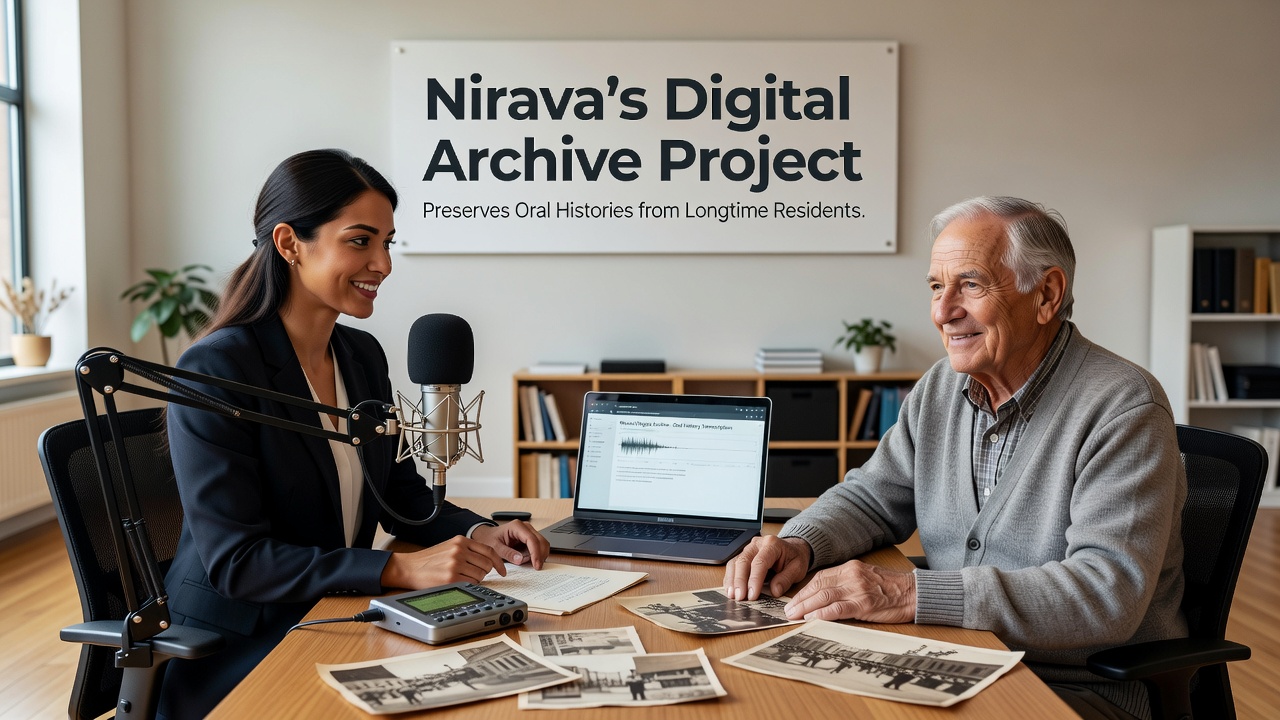
Interviewers follow structured guidelines that encourage open-ended responses, and sessions typically last between 45 and 90 minutes to capture sufficient detail without causing fatigue. Equipment includes portable digital recorders and high-definition cameras that document both audio and visual elements such as gestures and facial expressions during storytelling. Transcripts undergo multiple reviews by native speakers before they enter the database, and each file receives a unique identifier that links it to related photographs or documents supplied by the narrator's family.
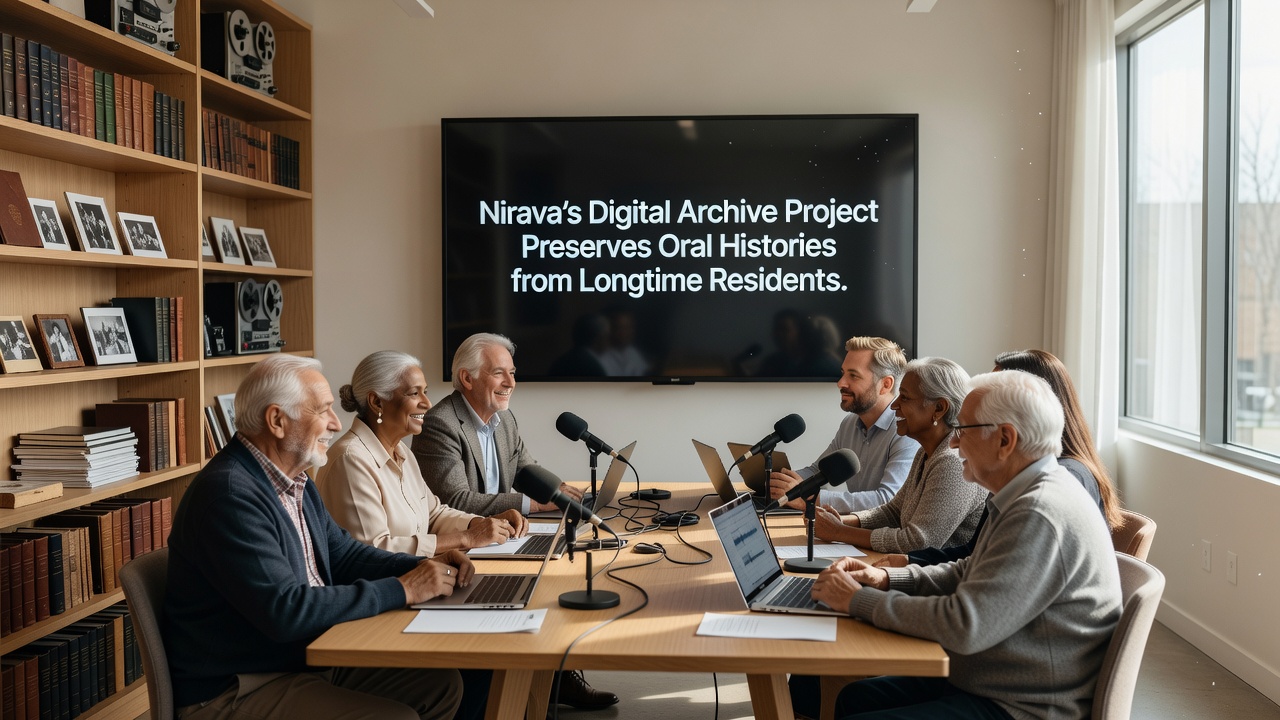
One participant described daily routines on family farms before mechanization became widespread, and those details now sit alongside accounts from former factory workers who explained shifts in local employment during the 1970s and 1980s. Volunteers trained in oral history techniques conduct the sessions, and they receive ongoing support through workshops organized by the project team. Participation remains voluntary, with narrators retaining rights to review and edit their contributions before final upload.
Technology and Accessibility Features
The archive relies on open-source software that supports multiple file formats, and servers hosted locally ensure data remains under community control rather than third-party platforms. Search functions allow users to filter results by decade, theme, or geographic area, while an accompanying mobile application provides offline listening options for areas with limited connectivity. According to documentation from the Library of Congress digital preservation initiatives, similar projects in other regions have increased public engagement with historical materials by 35 percent within two years of launch.
Additional safeguards include regular backups stored at a secondary site and encryption protocols that protect sensitive personal information mentioned in some narratives. Researchers at the University of Melbourne have published studies on comparable oral history platforms, and those findings helped Nirava staff optimize metadata standards for better cross-referencing with external databases.
Broader Impact and Future Plans
Educational programs in local schools now incorporate selected recordings into history curricula, and students report higher interest when primary sources replace textbook summaries. The archive also supplies material for documentary filmmakers and podcasters who seek authentic voices from the area, and several productions credit the project directly in their credits. Data compiled through the archive shows that 78 percent of narrators are over age 70, which underscores the urgency of continued collection efforts before more accounts are lost.
Coordinators intend to expand the collection to neighboring districts in 2027, and they have begun preliminary discussions with regional governments about shared funding models. Public exhibitions scheduled for later this year will display excerpts alongside artifacts donated by participating families, creating opportunities for direct community feedback on the archive's direction.
Conclusion
The digital archive continues to grow as new recordings enter the system each month, and its structure supports both immediate public access and long-term preservation goals. Project documentation indicates that ongoing training for interviewers and regular technology updates will remain priorities to maintain the collection's reliability and reach.