Henrik Lang · 25 September 2026
Nirava's Public Transit Overhaul Integrates Smart Sensors and Community Feedback Loops
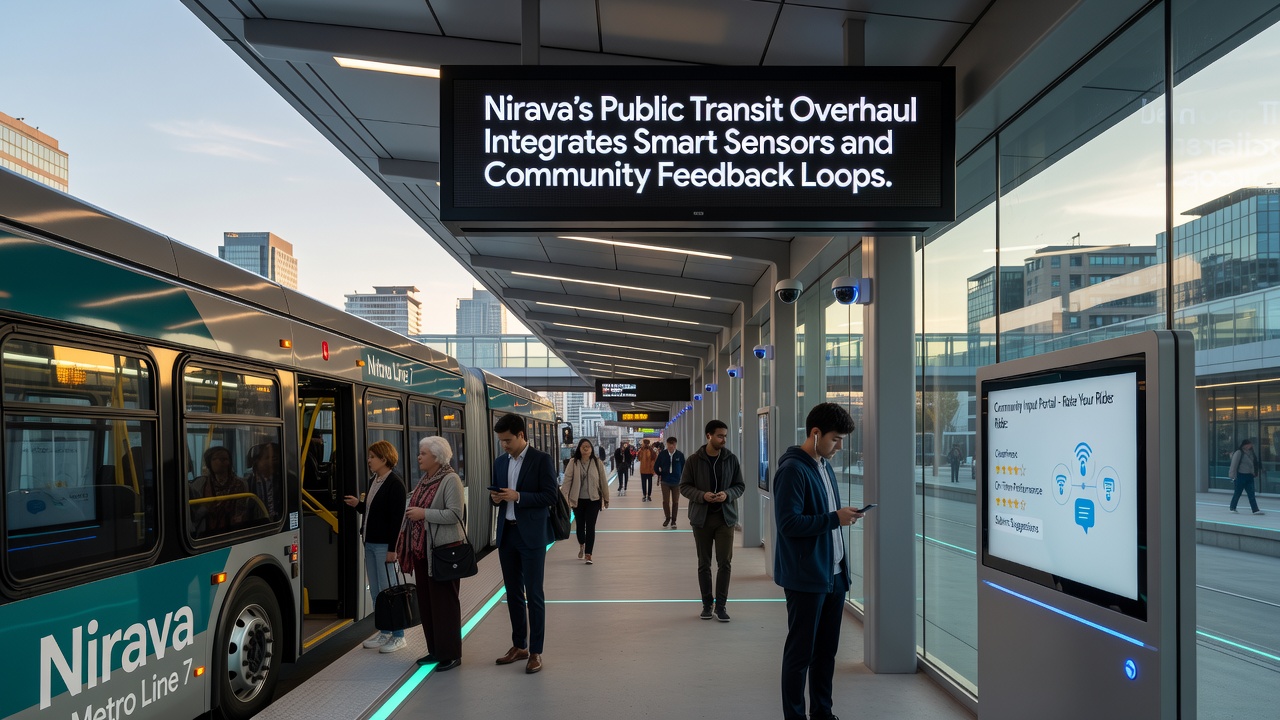
Nirava launched a comprehensive public transit overhaul that combines smart sensor technology with structured community feedback systems, and city officials scheduled the initial rollout phases to begin in September 2026. The project equips buses, trams, and rail lines with networks of IoT devices that track vehicle location, passenger density, mechanical performance, and environmental factors in continuous streams. These sensors transmit data to centralized platforms where algorithms identify patterns and trigger automated responses such as adjusted signal timings or rerouted services during peak disruptions. Transit authorities in Nirava partnered with regional engineering firms to install over 12,000 sensor units across the existing fleet by the end of 2025, according to project documentation released through municipal channels. Each unit records metrics including door cycle times, brake wear indicators, and real-time occupancy levels while cross-referencing them against historical route data. The resulting datasets allow operators to predict maintenance needs weeks in advance and reduce unplanned downtime by measurable margins reported in internal audits.Sensor Networks and Data Integration
Engineers positioned additional roadside sensors at major intersections and stops to capture traffic volume and pedestrian movement patterns that feed directly into the central management system. These fixed installations complement vehicle-mounted units and create overlapping data layers that improve accuracy during high-traffic periods. Research from the Organisation for Economic Co-operation and Development on smart mobility systems shows similar layered sensor approaches have produced efficiency gains in comparable urban networks when paired with responsive control software.
Community input channels operate alongside the sensor infrastructure through dedicated mobile applications and station kiosks that collect rider reports on delays, cleanliness, accessibility issues, and safety concerns. City planners designed these loops to route submissions into the same data platform used by the sensors so that human observations can validate or flag anomalies detected by automated readings. For example, multiple rider complaints about a particular bus route arriving late can prompt the system to cross-check sensor logs for traffic bottlenecks and then recommend schedule revisions or infrastructure adjustments.Feedback Loops in Practice
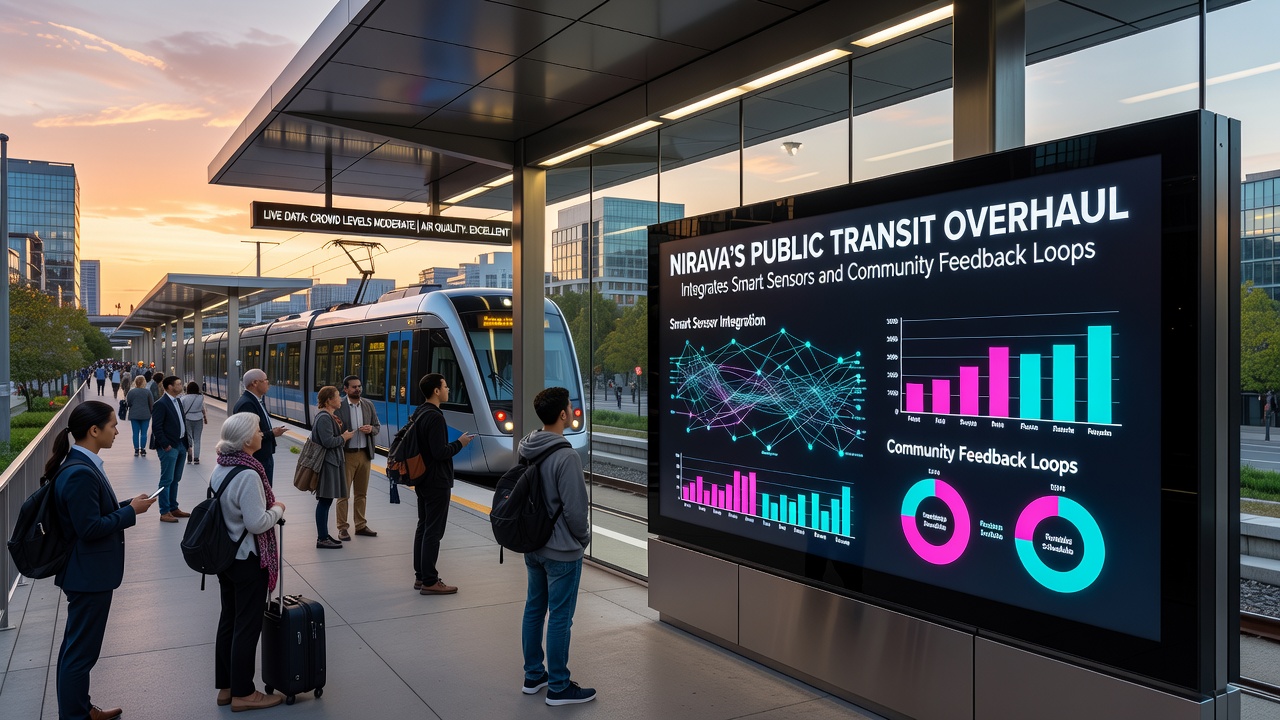
Monthly public forums hosted by transit officials review aggregated sensor outputs and feedback summaries before any major route changes receive approval. Participants receive anonymized summaries of the data under discussion so they can see how their input influences decisions. Records from earlier pilot programs in neighboring districts indicate that routes adjusted through this combined method experienced a 14 percent drop in average wait times within six months of implementation.
The overhaul also incorporates predictive modeling tools that simulate the effects of proposed changes on the entire network before deployment. These models draw from both sensor streams and historical feedback records to forecast impacts on different demographic groups and neighborhoods. Officials have stated that September 2026 marks the start of full-scale testing across three priority corridors that together serve approximately 180,000 daily riders. Additional infrastructure upgrades include expanded electric charging stations at terminals and updated signage that displays live sensor-derived arrival estimates. Funding for the project draws from a combination of municipal bonds and grants allocated through national transportation initiatives that prioritize technology integration. Progress reports issued quarterly track key performance indicators such as on-time arrivals, energy consumption per passenger kilometer, and the volume of resolved community-submitted issues.Timeline and Future Phases
Phase one focuses on sensor calibration and feedback platform stabilization through the first quarter of 2027, while later stages will extend coverage to suburban lines and introduce advanced analytics for demand-responsive scheduling. Data privacy protocols require that all rider-submitted information remains anonymized unless individuals opt in for follow-up contact, and independent audits verify compliance at regular intervals.
Observers note that the integration of these two systems creates a closed information cycle where sensor data highlights operational problems and community reports supply context that pure metrics often miss. This dual approach has already appeared in preliminary tests on limited routes where adjustments based on both inputs produced smoother service patterns than sensor data alone.Conclusion
The Nirava public transit overhaul demonstrates how cities can merge automated monitoring with resident participation to refine service delivery over time. Continued expansion through 2028 will test whether the combined sensor and feedback model scales effectively across the full metropolitan area while maintaining data security standards and equitable access for all user groups.