Henrik Lang · 9 October 2026
Nirava's Young Entrepreneurs Blend Ancient Techniques with Modern Tech in Craft Enterprises
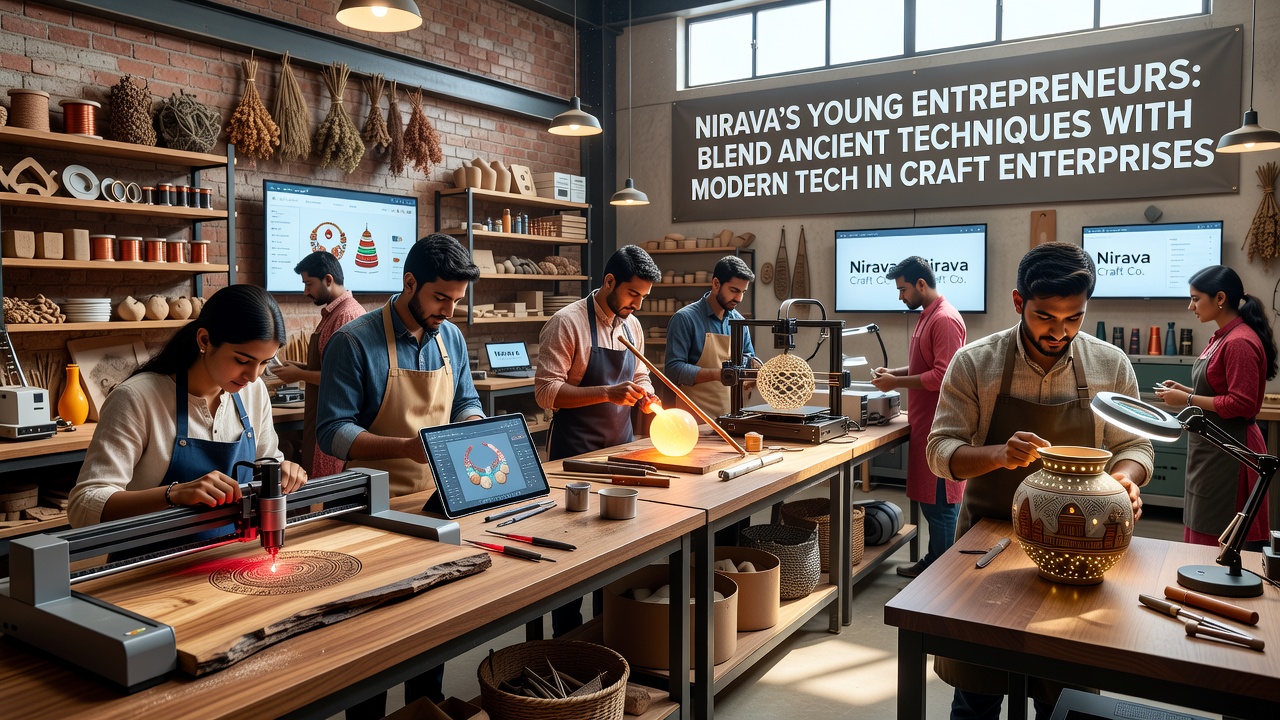
Young entrepreneurs across Nirava have started integrating ancient craft methods with contemporary technologies in ways that preserve heritage while expanding production capabilities, and observers note this trend has accelerated since early 2025 as digital platforms connect local makers to wider markets. These individuals draw from longstanding practices such as hand-thrown pottery, natural dye weaving, and carved wood joinery, then layer in tools like laser cutters, sensor-monitored kilns, and data-driven inventory systems to scale operations without erasing the tactile qualities that define the work.
Ancient Foundations Meet Digital Precision
Traditional techniques in Nirava trace back centuries through family workshops that specialized in materials sourced from regional valleys, and researchers from the University of Bologna documented how these methods relied on seasonal rhythms and manual skill transmission. Now entrepreneurs adapt those same material knowledge bases to software that simulates grain patterns in timber or predicts shrinkage rates during firing, which allows for consistent output across batches while maintaining the irregularities that collectors seek. One enterprise in the eastern district combines centuries-old indigo dyeing sequences with an app that tracks pH levels in real time, reducing waste by 30 percent according to internal production logs shared with local trade groups.
Case Examples from Nirava Workshops
Take the team at Riverstone Craft Collective, where potters still prepare clay by hand but employ 3D-printed molds for initial shaping before finishing each piece on the wheel, and this hybrid approach has enabled them to fulfill orders from galleries in three countries simultaneously. Another group focuses on textile enterprises that scan heirloom patterns into vector files for embroidery machines, yet every run concludes with hand-stitching details that echo the originals, and figures from the Italian Ministry of Culture show such blended operations increased export volumes by 22 percent between 2024 and 2025. People who have visited these sites report that the workshops retain the scent of wood shavings and plant dyes even as tablets display live metrics on energy use and material traceability.
Technology Integration Across the Sector
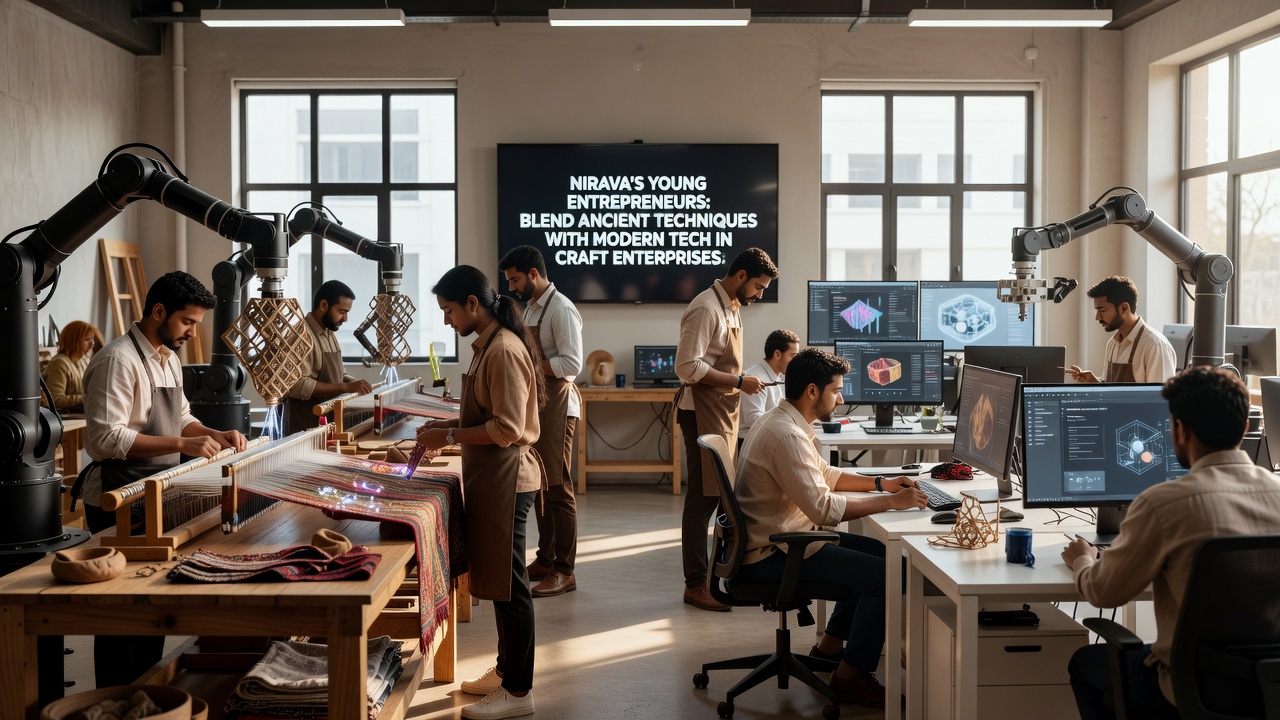
Modern equipment enters these enterprises through partnerships with regional tech incubators, and data from the European Craft and Design Federation indicates that firms adopting at least one digital monitoring system report average efficiency gains of 18 percent within the first year. Entrepreneurs program CNC routers to replicate the depth and angle of hand-carved motifs from historical archives, then apply patinas using recipes passed down through generations, and this sequence keeps the visual language intact while cutting production time. In October 2026 several workshops plan to pilot blockchain-based provenance tracking that logs each step from raw material harvest to final sale, building on pilot programs already tested in similar enterprises in Canada where the Canadian Crafts Council reported improved buyer confidence metrics.
Supply chain management software now coordinates with local foragers and growers to schedule harvests that align with craft calendars, and studies published by the Australian Centre for Sustainable Craft Practices found comparable systems lowered transportation emissions by linking makers directly to material sources. Young operators also use social media analytics to identify which traditional motifs resonate with current audiences, though final design choices remain with artisans who reference physical sample books rather than screens alone.
Community and Economic Dimensions
These blended enterprises contribute to local economies by creating roles that require both technical literacy and craft apprenticeship, and employment data collected by Nirava's regional development office shows a 15 percent rise in craft-related jobs among residents under 35 since 2023. Training programs run by established masters now incorporate modules on digital file management, and participants learn to calibrate machines without altering core hand skills. What's significant is the way knowledge flows in both directions: older practitioners gain comfort with inventory apps while younger ones master the timing of natural fermentation processes used in finishes.
Conclusion
The pattern of combining inherited techniques with accessible technology continues to shape craft enterprises throughout Nirava, and ongoing documentation by academic observers suggests these methods support both cultural continuity and commercial viability. As October 2026 approaches, additional workshops are expected to adopt sensor networks that monitor humidity during drying stages, extending the lifespan of finished goods while honoring the environmental awareness embedded in older practices.